
The Most Common Reasons Your AC Won’t Cool
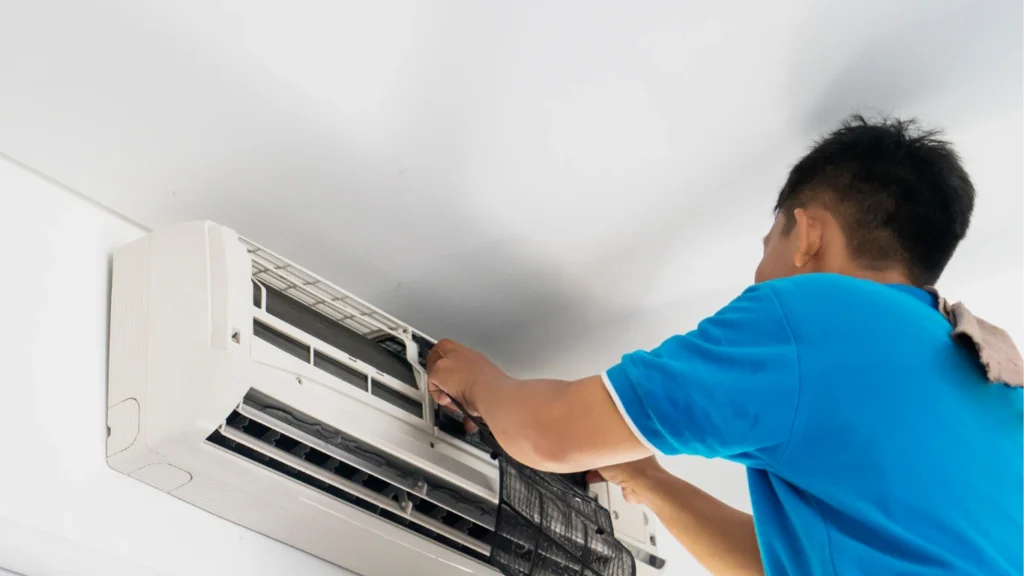
1. Dirty Filters and Coils Restricting Airflow
A clogged filter is one of the most frequently identified causes of reduced cooling. In Dubai’s dusty environment, filters can accumulate dust fast enough to become fully blocked within two to three weeks during peak dust months. Restricted airflow doesn’t just reduce cooling; it can cause the evaporator coil to run colder than normal. When it can’t transfer heat properly, the system may run longer while cooling poorly, and dust buildup combined with long operating hours makes this a common issue.
2. Low Refrigerant (and Why It’s Almost Always a Leak)
Refrigerant doesn’t get “used up” through normal operation, so a system running low almost always points to a leak somewhere in the circuit. Topping up the refrigerant without finding and fixing that leak is a temporary measure, as it delays the real AC repair rather than solving it. A system low on refrigerant struggles to absorb heat indoors and release it outdoors, which shows up as warm air from the vents, longer running cycles, higher electricity use, and eventually added strain on the compressor.
3. A Dirty Outdoor Condenser Unit
The outdoor condenser unit needs clear airflow to release the heat it’s pulled from indoors. In Dubai, sand, dust, and general debris build up on the unit’s fins quickly, and when that airflow is restricted, the whole system’s ability to cool drops even if everything indoors is working fine.
Less Obvious Causes Worth Checking
1. Thermostat Misreads or Incorrect Settings
Sometimes the fault isn’t in the cooling components at all; it’s the thermostat. If it isn’t reading the room temperature accurately, or has been set incorrectly, the AC may run without ever cooling the space as expected, even though every other part of the system is functioning normally.
2. Blocked Drain Lines and Excess Indoor Humidity
A blocked condensate drain line traps excess humidity indoors, reducing cooling even when the temperature itself has dropped. This is typically addressed by clearing the drain pan and pipe near the indoor unit, and a small amount of white vinegar added monthly can help prevent algae buildup from causing the same blockage again.
Warning Signs You Shouldn’t Ignore
1. Ice Forming on the Indoor Unit or Coil
Ice on the indoor unit or refrigerant lines shows something is abnormal, often pointing to restricted airflow or low refrigerant. If it continues for too long, it can add further strain to the system
2. Water Leakage, Odors, or Unusual Noise
If the unit is leaking water, forming ice, making unusual noise, or blowing warm air for an extended period, it’s generally better to switch it off and have it checked rather than continue running it and risk compounding the problem.
3. Rising DEWA Bills Without Better Cooling
Higher electricity consumption without improvement in cooling shows that the system is working harder to compensate for an underlying fault. DEWA recommends keeping the thermostat at 24°C or higher as a general efficiency guideline, so a bill that keeps climbing despite following that kind of setting is worth checking.
What to Do for Fixes and Prevention
Simple Checks You Can Do Before Calling a Technician
- Check the thermostat setting and mode: Confirm it’s set to cool and to a reasonable target temperature.
- Inspect the air filter: A visibly dirty filter is often the easiest issue to identify and address.
- Check vents for obstructions: Furniture or curtains blocking supply or return vents can restrict airflow.
- Confirm the power supply: Repeated breaker trips or power interruptions can point to an electrical issue.
When the Problem Needs Professional Diagnosis
If basic checks don’t resolve the issue, or if there are signs like refrigerant leaks, electrical faults, or compressor strain, the problem needs a proper technician assessment rather than continued guesswork. Diagnosing the actual cause prevents a minor issue from becoming a more expensive repair.
Maintenance Habits That Prevent Future Damage
Due to Dubai’s climate, systems generally need servicing more frequently than in milder regions; roughly every three to four months is a commonly cited guideline. Regular filter and coil cleaning, periodic drain line maintenance, and keeping the outdoor unit’s fins clear of dust and debris help reduce the chances of the system running all day without actually cooling the space.